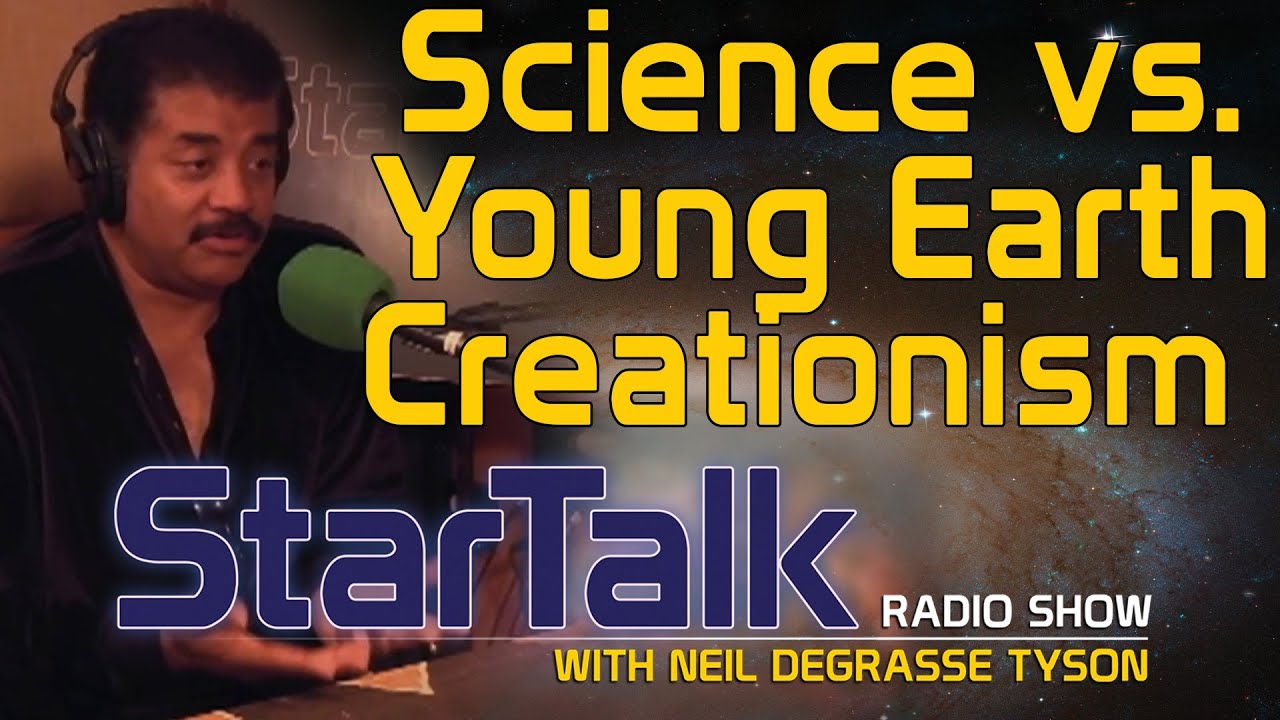
Tyson calls himself agnostic rather than atheist: he has not seen evidence for God but would accept it if it were shown, and he could devise repeatable tests that would count as such evidence.
Partly answered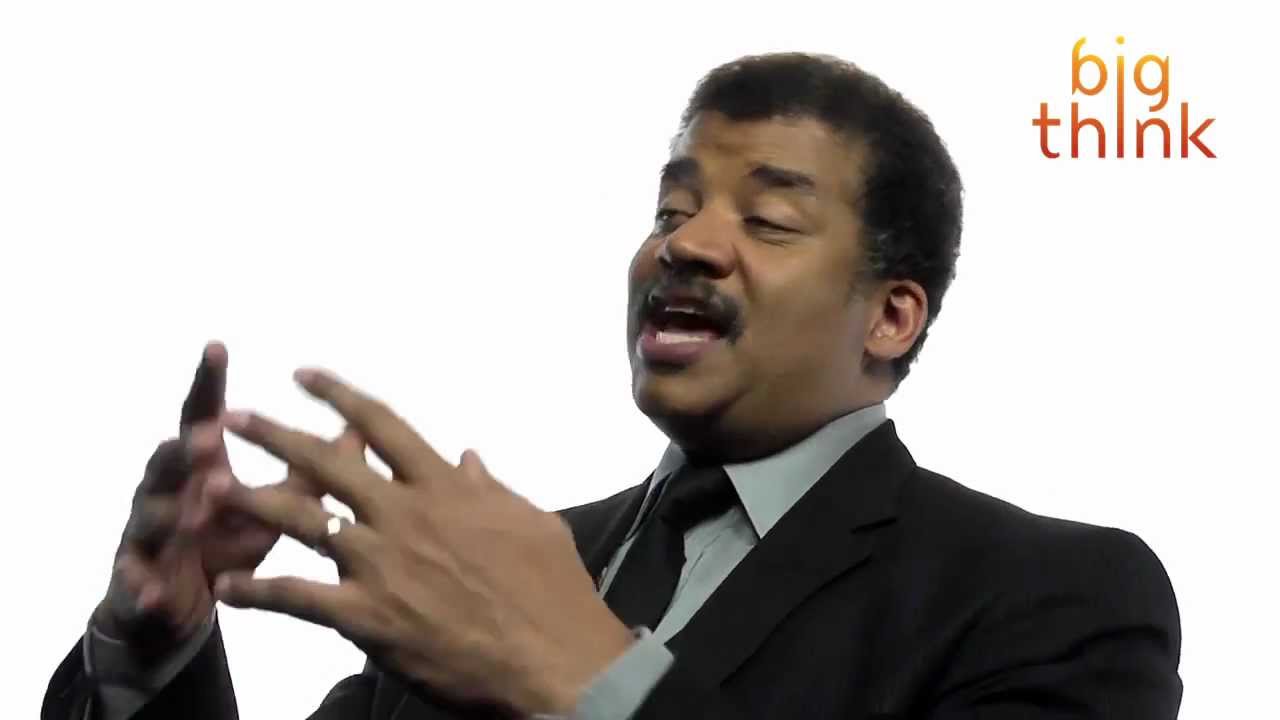
Plays here. Any time on this card jumps the video to that moment; the pop-out keeps it playing while you read.
Tyson, in his words
“So what people really after is what is my stance on on religion or spirituality or God and I would and I would say if I had to find a word that came closest it would be agnostic”
“Agnostic a word dates from the 19th century Huxley to refer to someone who who doesn't know but is hasn't yet really seen evidence for it but is prepared to embrace the evidence if it's there”
“Agnostic comes closer to what I am than atheist does yeah but all that rest of that baggage that agnostic carries is is off the edges for me”
“So I could easily come up with a a set of that you want to test it several times. Once would not be sufficient as in any scientific experiment, but I can come up with it's not hard to do that.”
Robert’s answer
Robert holds that God's existence is clearly perceived from the things that are made, that everyone needs this evidence and already has it, and that people deny God because of their sin. He also cites the fine-tuning of the universe as implying an intelligent Creator.
Reads Romans 1 as saying God has already given man all he needs to know the truth, and that men keep suppressing it.
“The phrase “God has shown it to them,” is an aorist tense, denoting that God has already given man all that he needs to know the truth, but men have continually suppressed this truth in each generation. The prepositional phrase “to them” is literally “in them,” which means that man’s inner being is where this knowledge resides.”
Robert says Romans 1 teaches that people need evidence and already have it: they know from the things that are made that God has to exist.
“Presupposing that the man knows God exists, they're wrong in presupposing that he needs no evidence. And it's uncanny to me that they can't see this in the very verse that they're using as proof for their presuppositional apologetics, because what does the verse say? It says they know God exists by the things that are made, not just by some intuition of the heart, you know, or some infusion of knowledge. They see the stars, the sun, the moon, the plants, the trees, the animals, and they know from that evidence that God has to exist.”
Calls God's existence obvious and says people deny it because of their sins.
“Because it's so darn obvious that God exists. And the real reason people will deny God exists is because of their sins. You see, because God made us in His image. And that means if we sin, we do evil, we're going to feel guilty.”
Robert cites the fine-tuning of the universe as strongly implying an intelligent Creator.
“The most basic problem for the secular scientist is that he sees the universe is so minutely fine-tuned that it would be impossible to have life without it. This fine-tuning strongly implies there must have been an intelligent Creator to figure it all out and put it into existence.”
What Robert’s work does not answer here
Robert holds that enough evidence for God already exists in creation and conscience, which contradicts Tyson's statement that he has not seen any. Robert's books and broadcasts do not address Tyson's Huxley-based definition of agnosticism, his rejection of the label's 'baggage', or his claim that he could design repeatable tests that would count as evidence for God.