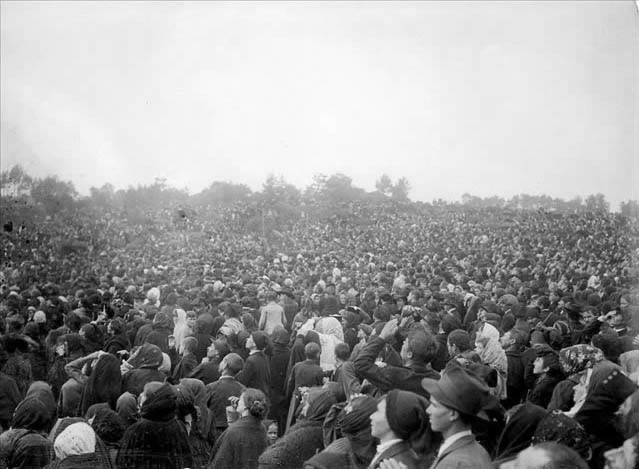
Fatima, 1917 to 2022
The Consecration of Russia
One request, seven papal acts from 1942 to 2022, and a century of argument over whether Heaven was answered.
Photo: Judah Bento Ruah, 13 October 1917, public domain.
In July 1917 Our Lady told three shepherd children at Fatima that she would come to ask for the consecration of Russia to her Immaculate Heart. In June 1929, at Tuy in Spain, she asked Sister Lucy for it: the Pope, with all the bishops of the world, was to consecrate Russia. What followed was more than twenty years of letters, delays, partial acts and a closing request in May 1952. Popes and Fatima writers have argued about it ever since.
This timeline follows the record as Dr. Robert Sungenis reads it in Fatima: Fulfilled but Still Foreboding (2021), a book that revises the view he defended with John Salza in The Consecration of Russia: How Seven Popes Failed to Heed Heaven's Command and Brought Turmoil to the World (2013). He now holds that Heaven asked only two popes, Pius XI and Pius XII, and that Pius XII's acts of 1942 and 1952 were answered. Most Fatima writers disagree, and the page marks where they do.
- years between the 1917 promise and the 1952 consecration of Russia
- 35years between the 1917 promise and the 1952 consecration of Russia
- years between the Tuy request of 1929 and Sacro Vergente Anno
- 23years between the Tuy request of 1929 and Sacro Vergente Anno
- months from the 1942 consecration to Sister Lucy's letter promising the war's end
- 7months from the 1942 consecration to Sister Lucy's letter promising the war's end
- years from the 1952 consecration to Russia's 1993 guarantee of religious freedom
- 41years from the 1952 consecration to Russia's 1993 guarantee of religious freedom
1917
13 July 1917· The request
The promise at the Cova da Iria
Our Lady foretells a worse war and says she will come to ask for the consecration of Russia.
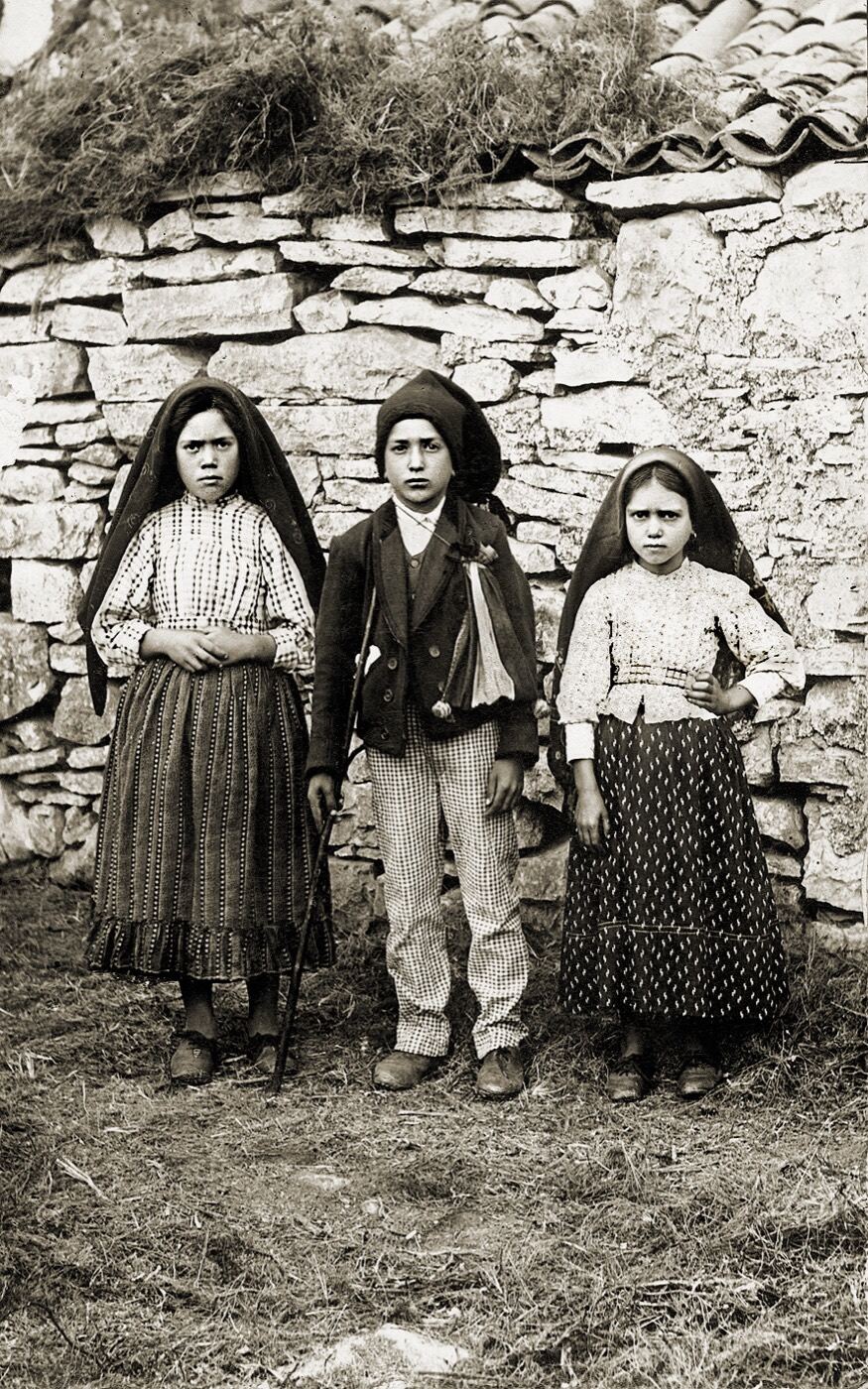
Lucia, Francisco and Jacinta, 1917Photo attributed to Joshua Benoliel, public domain, via Wikimedia Commons During the July 1917 apparition, with World War I still being fought, Our Lady told the children that the war would end, but that if people did not stop offending God a worse one would break out during the reign of Pius XI. To prevent it she would return to ask for two things: the consecration of Russia to her Immaculate Heart and the Communion of Reparation on the First Saturdays. If her requests were heeded Russia would be converted and there would be peace. If not, Russia would spread her errors through the world. She ended with a prophecy: "The Holy Father will consecrate Russia to Me, and she will be converted, and a period of peace will be granted to the world."
On 13 October 1917 about 70,000 people saw the miracle of the sun, which Dr. Sungenis calls the greatest sign of Heaven acting in human affairs since the Resurrection. The Bolshevik revolution came in November 1917. By Dr. Sungenis's account, the new regime closed a large share of Russia's monasteries and churches, and about two thousand Orthodox priests were killed after Lenin seized church valuables in 1922.
Dr. Sungenis also points out what the July prophecy leaves out: it says the Holy Father will consecrate Russia, but it says nothing about the bishops. The request for the bishops comes in 1929.
“To prevent this, I shall come to ask for the consecration of Russia to My Immaculate Heart, and the Communion of Reparation on the First Saturdays.”
Lucia, Francisco and Jacinta, 1917Photo attributed to Joshua Benoliel, public domain, via Wikimedia Commons 13 June 1929· The request
Tuy: the request is made
Our Lady tells Sister Lucy the moment has come for the Pope and all the bishops to consecrate Russia.
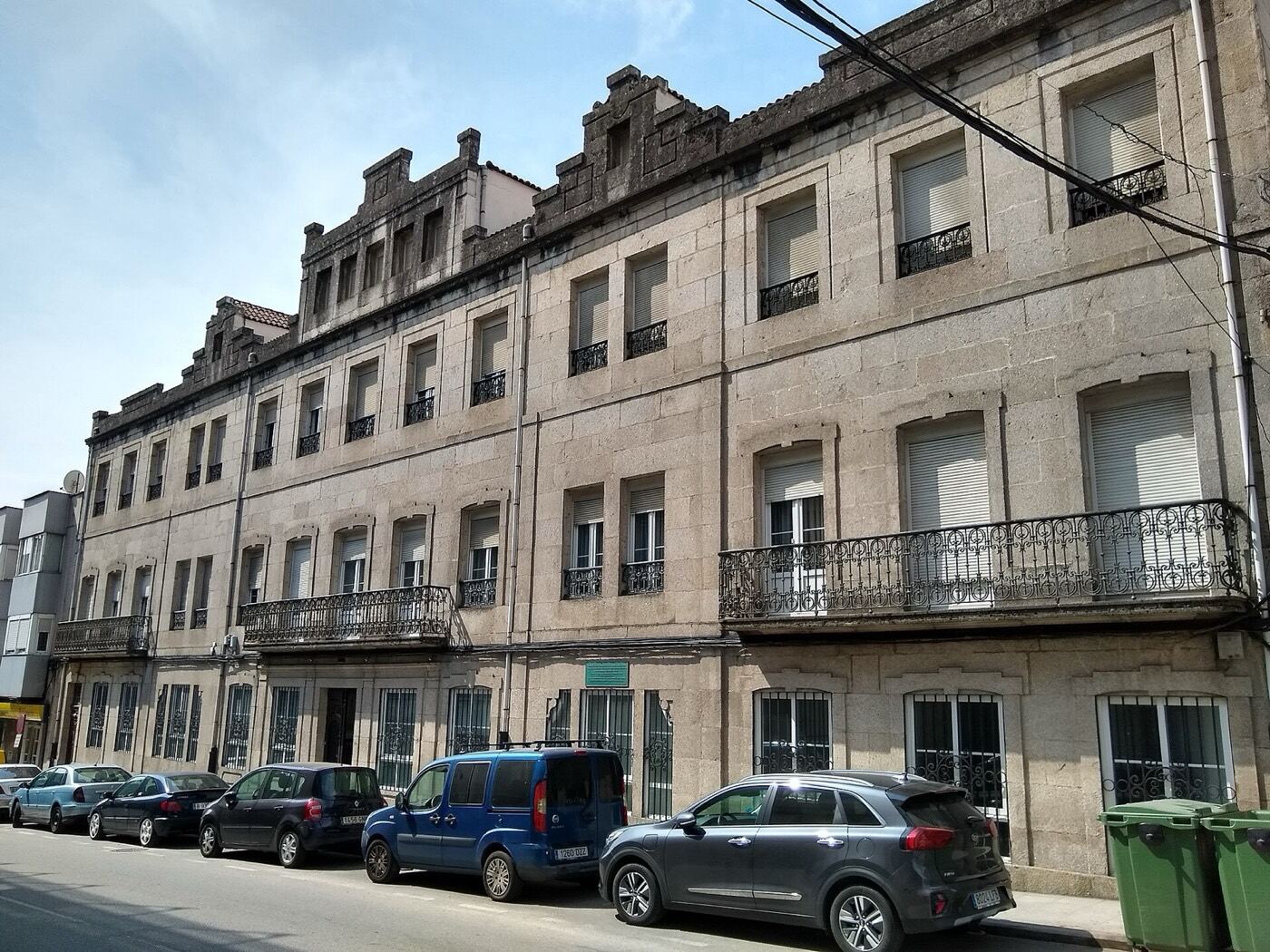
The Dorothean convent at Tuy, SpainPhoto: CarlosVdeHabsburgo, CC BY-SA 4.0, via Wikimedia Commons Twelve years after the July promise, Our Lady came to Sister Lucy at Tuy in Spain and made the request she had promised. The Pope was to make the consecration of Russia to her Immaculate Heart, and to order all the bishops of the world to make it in union with him and at the same time. God promised to convert Russia through this day of prayer and worldwide reparation.
Dr. Sungenis notes the timing. Stalin came to power in 1929 and stepped up the persecution of Russia's Christians. In a letter of 29 May 1930 to her confessor, Sister Lucy wrote that Our Lord promised to end the persecution in Russia if the Holy Father made the act and ordered the bishops to do the same. The message reached Pius XI by September 1930.
Dr. Sungenis reads the two words "union" and "at the same time" closely. The second is plain: same day, allowing for time zones. The first, he argues, could mean anything from being physically present in Rome to a union of heart and mind from each bishop's own diocese.
“The moment has come in which God asks the Holy Father to make, and to order that in union with him and at the same time all the bishops of the world make, the consecration of Russia to My Immaculate Heart, promising to convert it because of this day of prayer and worldwide reparation.”
The Dorothean convent at Tuy, SpainPhoto: CarlosVdeHabsburgo, CC BY-SA 4.0, via Wikimedia Commons August 1931· The delay
The warning of the King of France
With nothing done, Our Lord warns that delaying ministers will follow the King of France into misfortune.
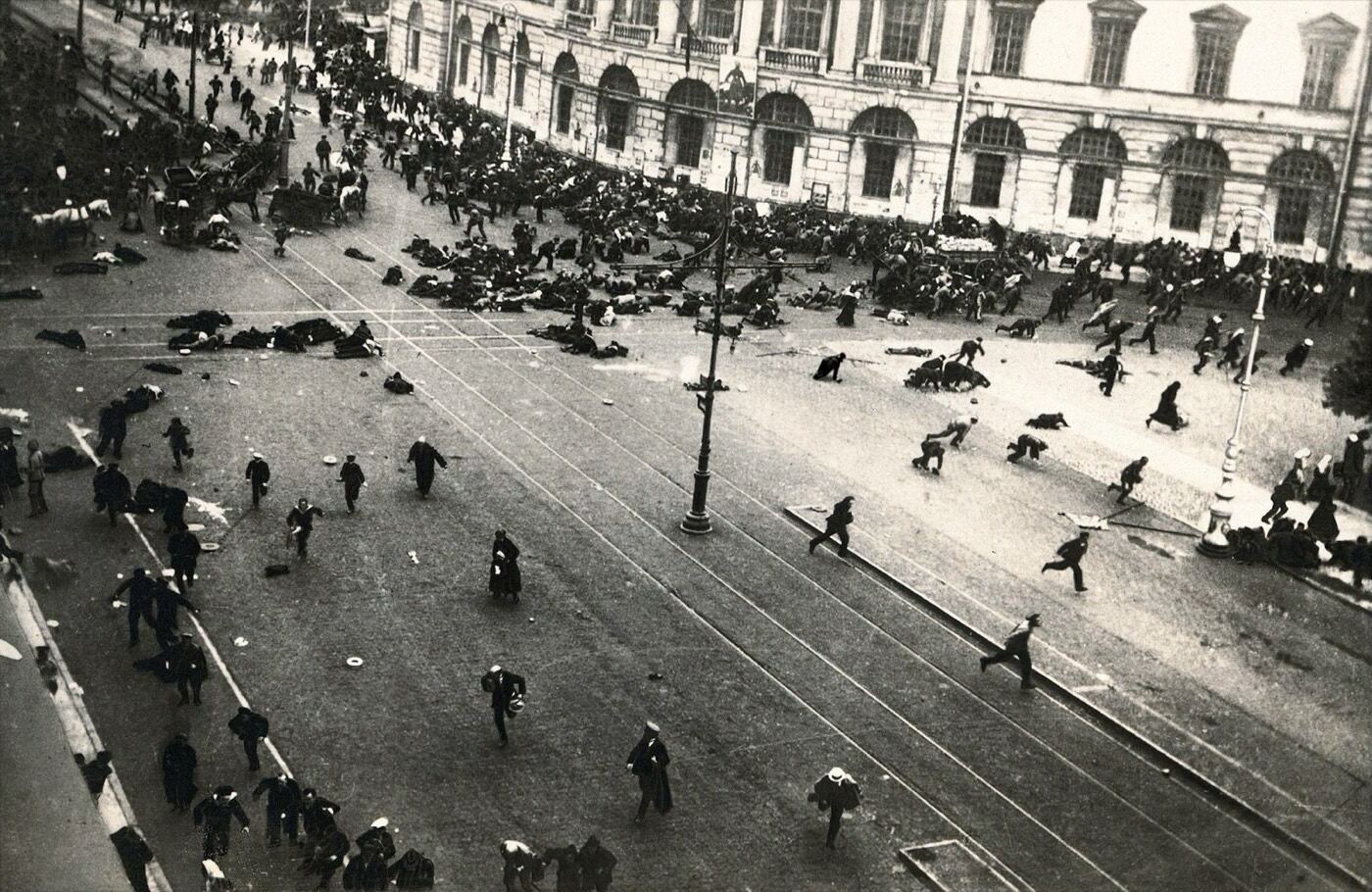
Petrograd, July 1917Photo: Viktor Bulla, public domain, via Wikimedia Commons A year passed and Pius XI made no move toward the consecration. In August 1931 Our Lord told Sister Lucy that if His ministers followed the example of the King of France in delaying His request, they would follow him into misfortune. The reference is to the French kings who did not consecrate France to the Sacred Heart, a failure that Dr. Sungenis ties to the Revolution of 1789.
For Dr. Sungenis this is the first sign that Fatima is "local and time-constrained": Our Lord wanted the act done then, not in some later century. Fatima historian Frère Michel put it this way: in 1929 to 1931 everything depended on the Pope, and if Russia had been consecrated neither the Second World War nor the spread of Communism would have happened.
Some Fatima writers argue from the French parallel that Heaven will still accept a consecration up to 2029, a hundred years after Tuy. Dr. Sungenis rejects that reading. He points out that Louis XVI's late consecration of France did nothing to stop the Revolution, so the parallel, taken strictly, would predict no effect on Russia either.
“Make it known to My ministers that given they follow the example of the King of France in delaying the execution of My request, that they will follow him into misfortune.”
Petrograd, July 1917Photo: Viktor Bulla, public domain, via Wikimedia Commons 18 May 1936· The delay
"He will do it, but it will be too late"
Our Lord tells Sister Lucy the Pope will make the act, but too late, and that Russia is entrusted to Mary.
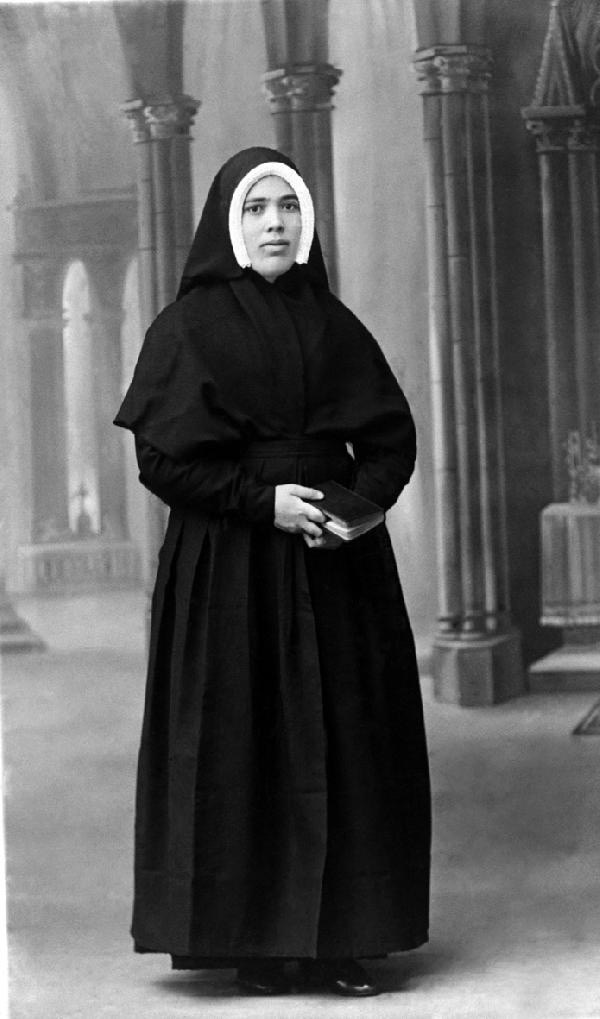
Sister Lucy as a Dorothean sisterPublic domain, via Wikimedia Commons In a letter of 18 May 1936 to Fr. Gonçalves, Sister Lucy recounted asking Our Lord why He would not convert Russia without the Pope's consecration. He answered that He wanted the whole Church to recognise the consecration as a triumph of the Immaculate Heart of Mary. When she said the Holy Father would not believe her, He replied that the Pope would do it, but too late.
Many Fatima followers read this as "late", which would leave room for a pope in the distant future. Dr. Sungenis argues it makes little difference which word is used. He holds that the words were about Pius XII and his own time, and that "too late" meant too late to stop the Second World War. He also stresses the last line: Russia will be saved anyway, because it has already been entrusted to Mary.
“The Holy Father, pray much for the Holy Father. He will do it, but it will be too late. Nevertheless, the Immaculate Heart of Mary will save Russia. It has been entrusted to Her.”
Sister Lucy as a Dorothean sisterPublic domain, via Wikimedia Commons 1937· The delay
Pius XI writes, but does not act
Pressed again by the Bishop of Leiria, Pius XI issues two encyclicals in 1937 but never makes the consecration.
In March 1937 Bishop da Silva of Leiria wrote to Pius XI urging the consecration, and the Pope acknowledged the letter on 8 April 1937. Dr. Sungenis counts this, after Our Lord's warning of 1931, as the second time Pius XI was pressed. Nothing followed.
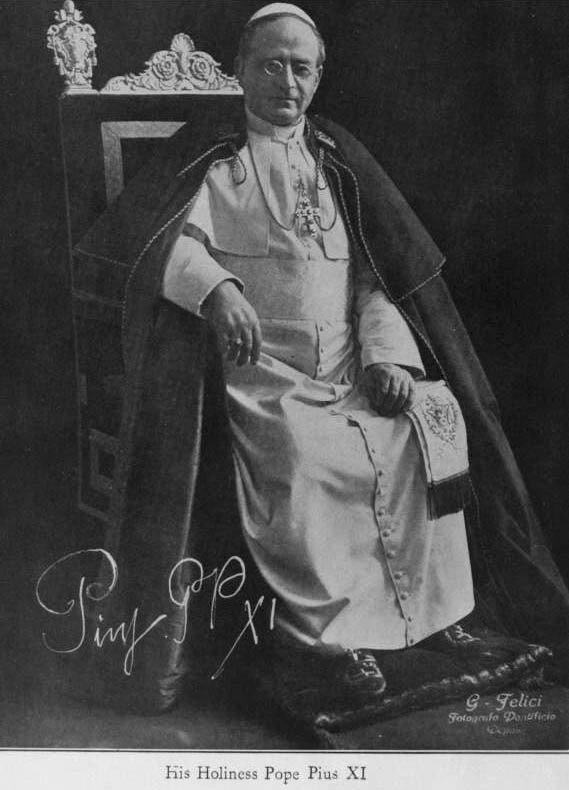
That same year Pius XI wrote Divini Redemptoris, calling Communism a persecution that exceeded anything before it, and on 29 September 1937 Ingravescentibus Malis, on the Rosary. The second encyclical urged prayer to Our Lady against the destroyers of Christian civilisation but said nothing of Fatima, the Immaculate Heart or Russia. Pius XI died on 10 February 1939 having never made the act. Dr. Sungenis calls him "a puzzle": a holy man by all appearances whom the Fatima affair never gripped.
“He was, so to speak, content with a simple routine exhortation.”
October 1940· The delay
The request is changed
Our Lord allows a consecration of the world with a special mention of Russia, but promises only a partial blessing.
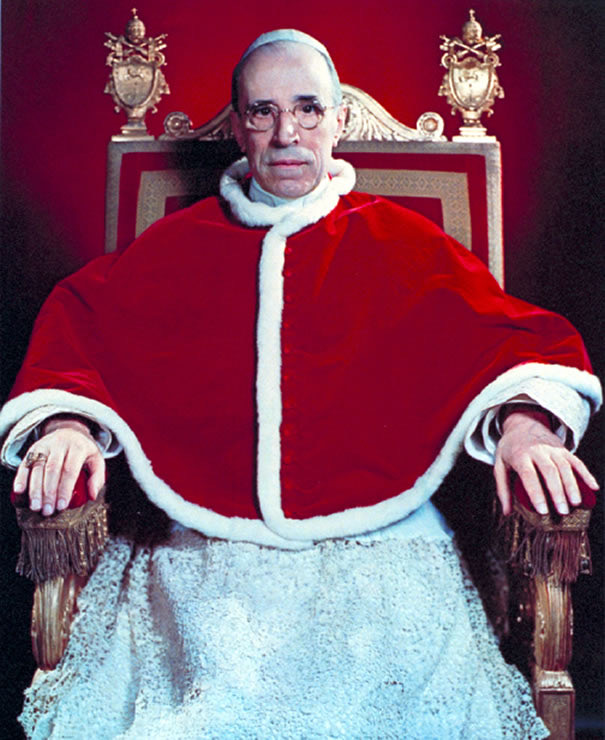
Pope Pius XIIPublic domain, via Wikimedia Commons Pius XII became pope on 2 March 1939, ten years after Tuy. Sister Lucy's letters of 1940 show Our Lord's patience running out. On 18 August 1940 she wrote that the Pope would not act yet because he doubted the request, and that God was using the delay to punish the world for its crimes. Dr. Sungenis ties the doubt of both popes to their Ostpolitik, the policy of accommodation with Moscow.
Her confessor, Fr. José Bernardo Gonçalves, suggested widening the request to a consecration of the world in the hope that Pius XII would act. Sister Lucy said she would first ask Our Lord. By 22 October 1940 He had agreed, with a limit: the act would only "obtain an abbreviation of these days of tribulation". On 24 October and again on 2 December 1940 she drafted letters to Pius XII asking him to consecrate the world with a special mention of Russia and to order the bishops to join him.
Dr. Sungenis calls this a concession from Heaven: the consecration no longer had to turn on Russia, only include it. He adds that in 1940 Germany, not Russia, looked like the head of the snake.
“But the Holy Father will not do it yet. He doubts its reality and he is right.”
Pope Pius XIIPublic domain, via Wikimedia Commons 31 October 1942· Pius XII
Pius XII consecrates the world
Pius XII consecrates the world to the Immaculate Heart but leaves out the promised mention of Russia.
Almost two years after Sister Lucy's letters, Pius XII consecrated the world to the Immaculate Heart of Mary on 31 October 1942. He left out any special mention of Russia, and the bishops were not called to join him.
Dr. Sungenis judges the act harshly and still gives it weight. Compared with Pius XI, who ignored Fatima for ten years, Pius XII at least partly believed. In the Death Penalty show he says the Pope had agreed to mention Russia at the end of the act and then broke that agreement. As he reads the May 1936 words, the act was "too late" to stop the war, which Our Lord let continue to punish the world.
“Fear rather than faith had gripped his soul.”
“Fear rather than faith had gripped his soul.”
4 May 1943· Pius XII
Peace soon, conversion later
Seven months after the act, Sister Lucy reports that Our Lord will end the war shortly but delay Russia's conversion.
Seven months after the 1942 consecration, Sister Lucy wrote to Fr. Gonçalves to pass on what Our Lord had told her about it. Dr. Sungenis treats this as one of the most important letters in the Fatima record, because it shows how Heaven itself rated a flawed act.
He draws two points from it. The war would end soon, because of the 1942 act, even though Russia was not named and the bishops did not take part. And because the act was incomplete, the conversion of Russia was put off. In his reading Our Lord answered the act in proportion: half granted at once, half held back. He also notes that in 1943 Stalin, under pressure from Roosevelt, allowed the Orthodox to elect a new Patriarch and legalised Orthodoxy. Dr. Sungenis sees that as a first movement toward Russia after 1942.
“He promises the end of the war shortly in answer to the act of consecration made by His Holiness. But since it was incomplete, the conversion of Russia will take place later.”
“He promises the end of the war shortly in answer to the act of consecration made by His Holiness. But since it was incomplete, the conversion of Russia will take place later.”
8 May 1945· Pius XII
The war ends in Europe
The Second World War ends in Europe; Dr. Sungenis dates the promised period of peace from here.
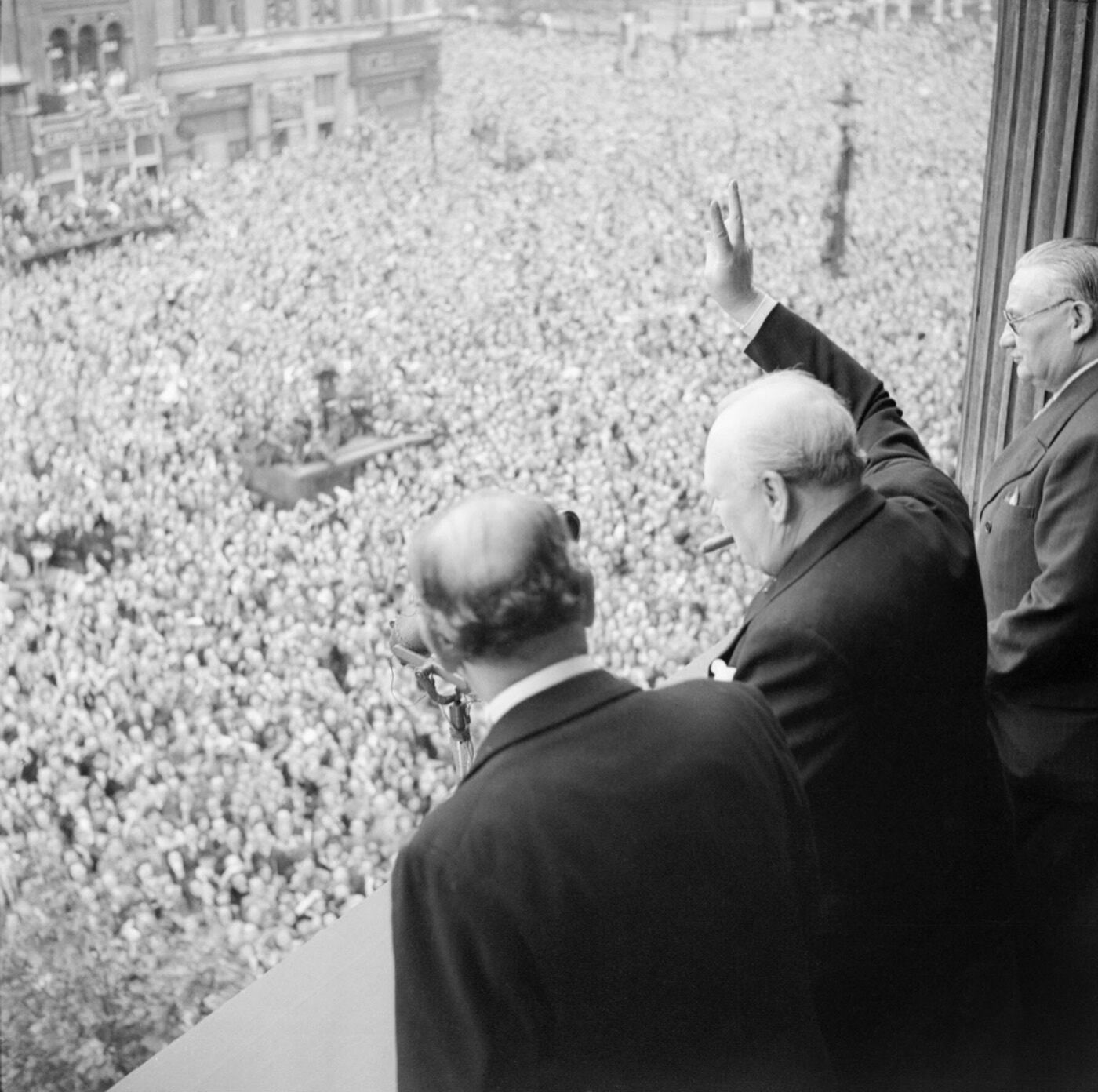
London, 8 May 1945Photo: War Office official photographer Major W. G. Horton, public domain, via Wikimedia Commons The war in Europe ended on 8 May 1945, two and a half years after the 1942 consecration. Dr. Sungenis puts three texts side by side: the 1917 promise of a period of peace, Sister Lucy's January 1940 letter linking the consecration to peace, and the May 1943 promise that the war would end in answer to the act. From these he concludes that the promised peace began in 1945.
He is careful about what kind of peace he means. It is not a world without wars. In his view it is a peace from Russia: no more annihilation of nations by the power that had been spreading its errors since 1917. He also argues that without the 1942 act the war and its punishment would have gone on beyond 1945.
“When we consider all three of the above references together, we can understand that the promised “period of peace” started after World War II had ended in May 1945.”
May 1952· Pius XII
Our Lady asks one last time
Our Lady tells Sister Lucy to remind the Pope that she still awaits the consecration of Russia.
After seven years of peace, Our Lady came to Sister Lucy again in May 1952 and asked her to tell the Holy Father that she was still waiting for the consecration of Russia. This was the last time Our Lady asked for the consecration, and Sister Lucy claimed no heavenly apparitions after it. Dr. Sungenis builds much of his case on that silence.
Pius XII had already been asked. In November 1950 Russian Catholic bishops, priests and laity, with the Russicum college in Rome, had petitioned him for a special consecration of their country. On 15 December 1951 Sister Lucy wrote that the request had not been done, and that even if it were, it would be "a little late". Dr. Sungenis argues that if 1952 was already "a little late", an act seventy years later would be off Heaven's radar altogether.
“Make it known to the Holy Father that I am always awaiting the consecration of Russia to My Immaculate Heart. Without the consecration, Russia will not be able to convert, nor will the world have peace.”
“Make it known to the Holy Father that I am always awaiting the consecration of Russia to My Immaculate Heart. Without the consecration, Russia will not be able to convert, nor will the world have peace.”
7 July 1952· Pius XII
Sacro Vergente Anno names Russia
On the feast of Saints Cyril and Methodius, Pius XII consecrates all the peoples of Russia to the Immaculate Heart.
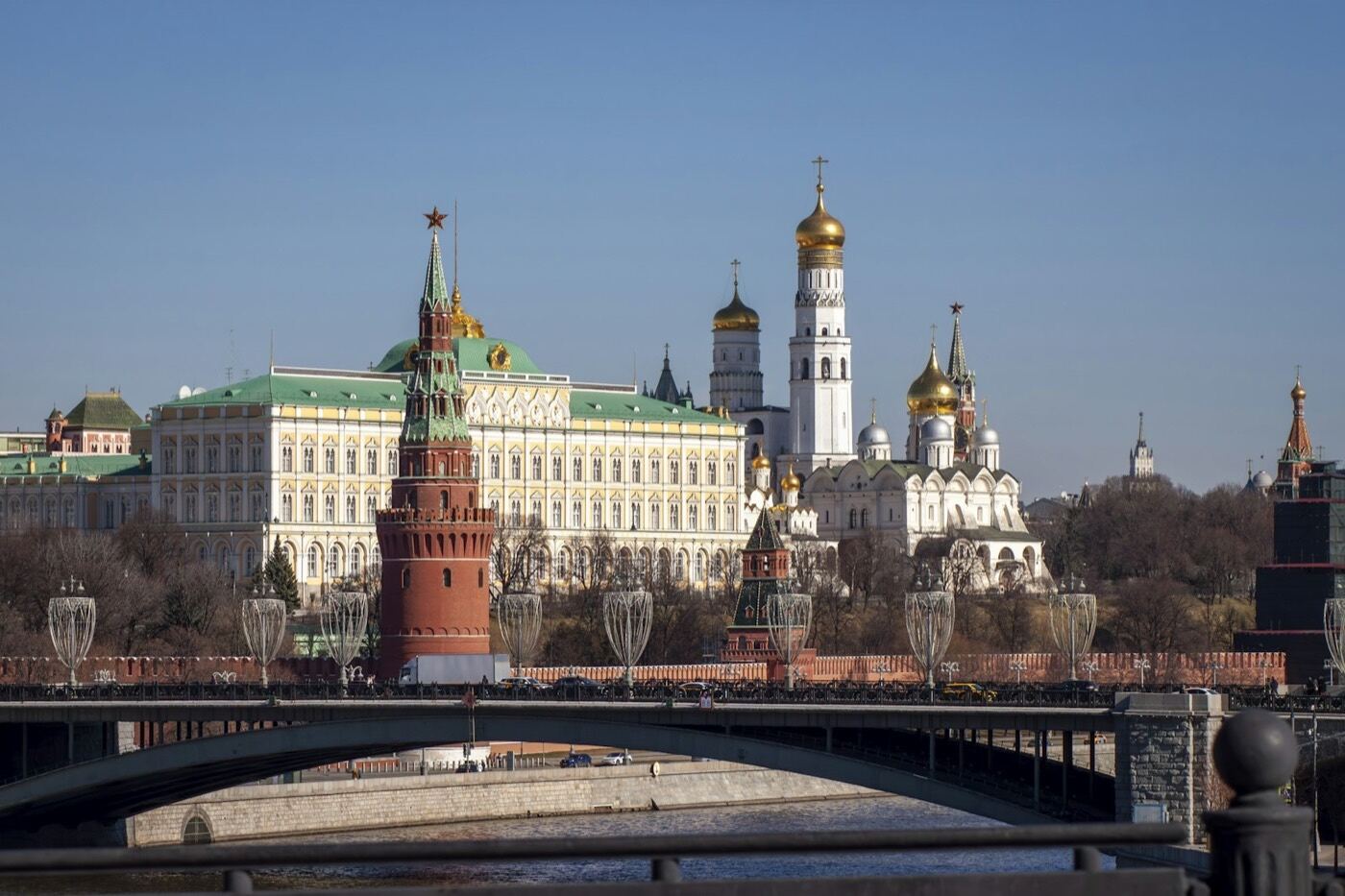
The Kremlin, MoscowPhoto: Jayde Keroi, Unsplash License Two months after Our Lady's last request, on the feast of Saints Cyril and Methodius, apostles of the Slavs, Pius XII published the apostolic letter Sacro Vergente Anno, addressed to the peoples of Russia. In it he consecrated them to the Immaculate Heart. Dr. Sungenis calls it the only time in modern history a pope has made a consecration naming Russia.
The usual objections are that the letter speaks of "the peoples of Russia" rather than Russia, and that the bishops were not ordered to join. Dr. Sungenis answers that Russia is the people who live there. He points to the Pope's "we consecrate", which he argues normally speaks for the Pope with the bishops. He notes that no bishop is on record objecting. And Our Lady's 1917 prophecy said only that the Holy Father would consecrate Russia. He also says the Pope left Fatima unmentioned and gave the act little ceremony: "even he flopped up a little bit", but Heaven accepted it.
“…just as a few years ago we consecrated the entire human race to the Immaculate Heart of the Virgin Mary, Mother of God, so today we consecrate and in a most special manner we entrust all the peoples of Russia to this Immaculate Heart.”
The Kremlin, MoscowPhoto: Jayde Keroi, Unsplash License December 1957· Aftermath
Sister Lucy and Fr. Fuentes
Sister Lucy warns of chastisement but names prayer and sacrifice, not another consecration, as the remedy.
Stalin died in 1953, a year after the consecration. In December 1957 Sister Lucy gave her last public interview, to Fr. Augustine Fuentes. She warned that Russia would be the instrument of chastisement unless all, by prayer and sacrifice, obtained its conversion. Critics of the 1952 act quote this. Dr. Sungenis notes that Frère Michel quoted the line without its "unless all of us, by prayer and sacrifice" clause.
He reads the interview the other way. Five years after 1952, Sister Lucy did not ask for a new consecration, only for prayer and sacrifice. She said the act had not been done as Our Lady asked, but she hoped Our Lady would accept it. He argues that Sister Lucy was a messenger, not the judge of how Heaven would answer. He also notes that the chastisement she feared for 1960 did not come.
“I am pained that it still has not been done as Our Lady requested it. Patience! Let us hope that Our Lady will deign to accept it, as a good Mother.”
“I am pained that it still has not been done as Our Lady requested it. Patience! Let us hope that Our Lady will deign to accept it, as a good Mother.”
13 April 1980· Later acts
The letter to Fr. Umberto Pasquale
Sister Lucy confirms in writing that she asked Pius XII to consecrate the world with explicit mention of Russia.
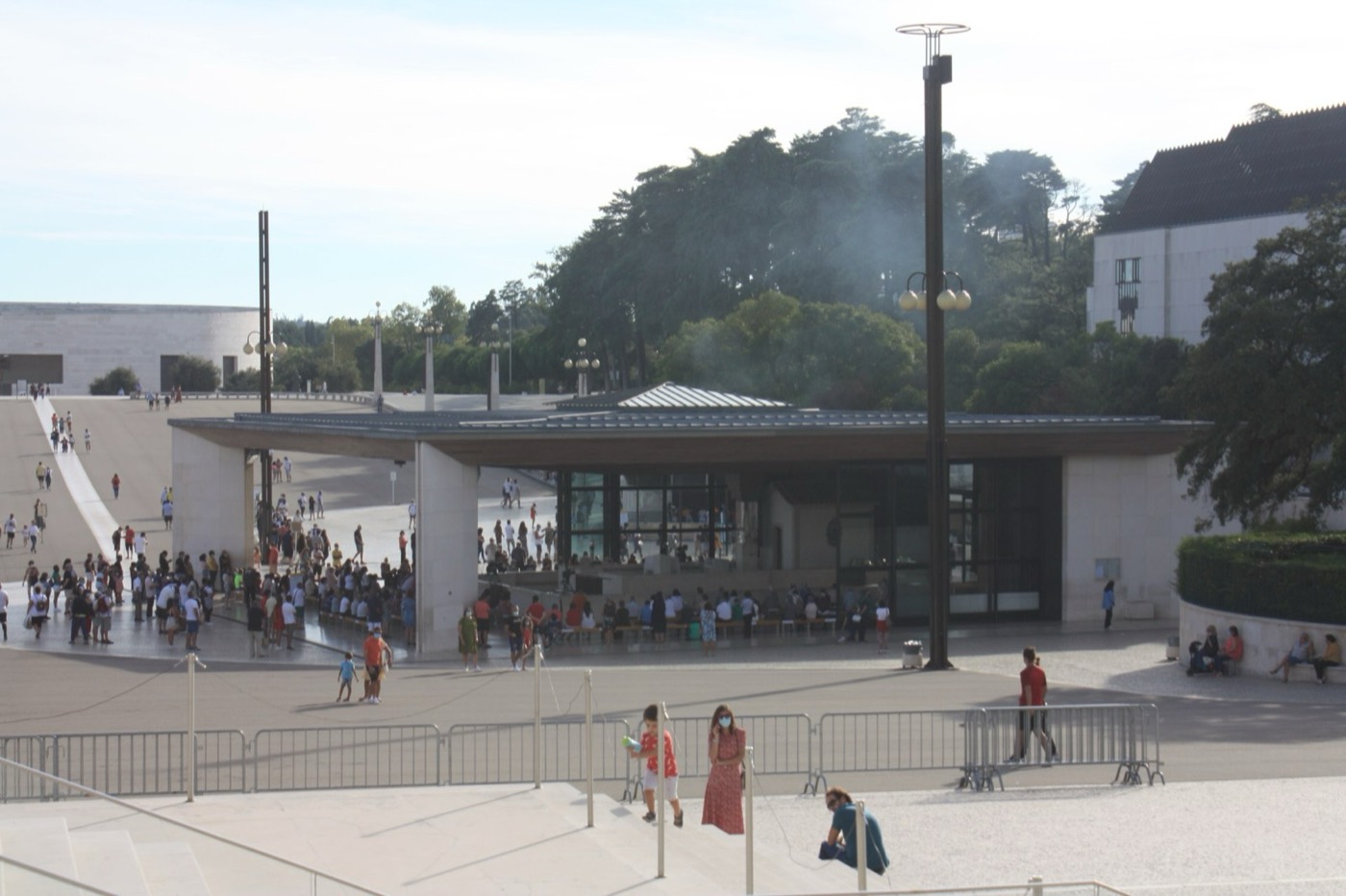
The Chapel of the Apparitions, FatimaPhoto: Reis Quarteu, CC BY-SA 4.0, via Wikimedia Commons Fr. Umberto Maria Pasquale had known Sister Lucy since 1939 and received 157 letters from her by 1982. After an interview at the Coimbra Carmel on 5 August 1978, he wrote asking whether Our Lady had ever spoken of consecrating the world. Her reply of 13 April 1980 has two paragraphs. The first says Our Lady asked for the consecration of Russia. The second says that on her confessor's advice she asked Pius XII to consecrate the world with explicit mention of Russia.
Dr. Sungenis says circulated copies often drop the second paragraph. One copy published online by Fr. Paul Kramer shows three asterisks where it should be. Some copies also add the Portuguese word for "only" to the first sentence. With the second paragraph gone, the letter seems to say Heaven would accept nothing but a consecration of Russia alone. L'Osservatore Romano printed the letter on 12 May 1982, the day before John Paul II's Fatima consecration.
The letter also changed Dr. Sungenis's mind on a side question. Only the Sister Lucy of 1940 would have known that the request had been changed, so he now accepts that the Sister Lucy of the 1980s was the real one.
“Our Lady of Fatima in her request referred to the consecration of Russia.”
The Chapel of the Apparitions, FatimaPhoto: Reis Quarteu, CC BY-SA 4.0, via Wikimedia Commons 7 June 1981 to 25 March 1984· Later acts
John Paul II's four acts
John Paul II makes four acts of entrustment and consecration of the world, never naming Russia.
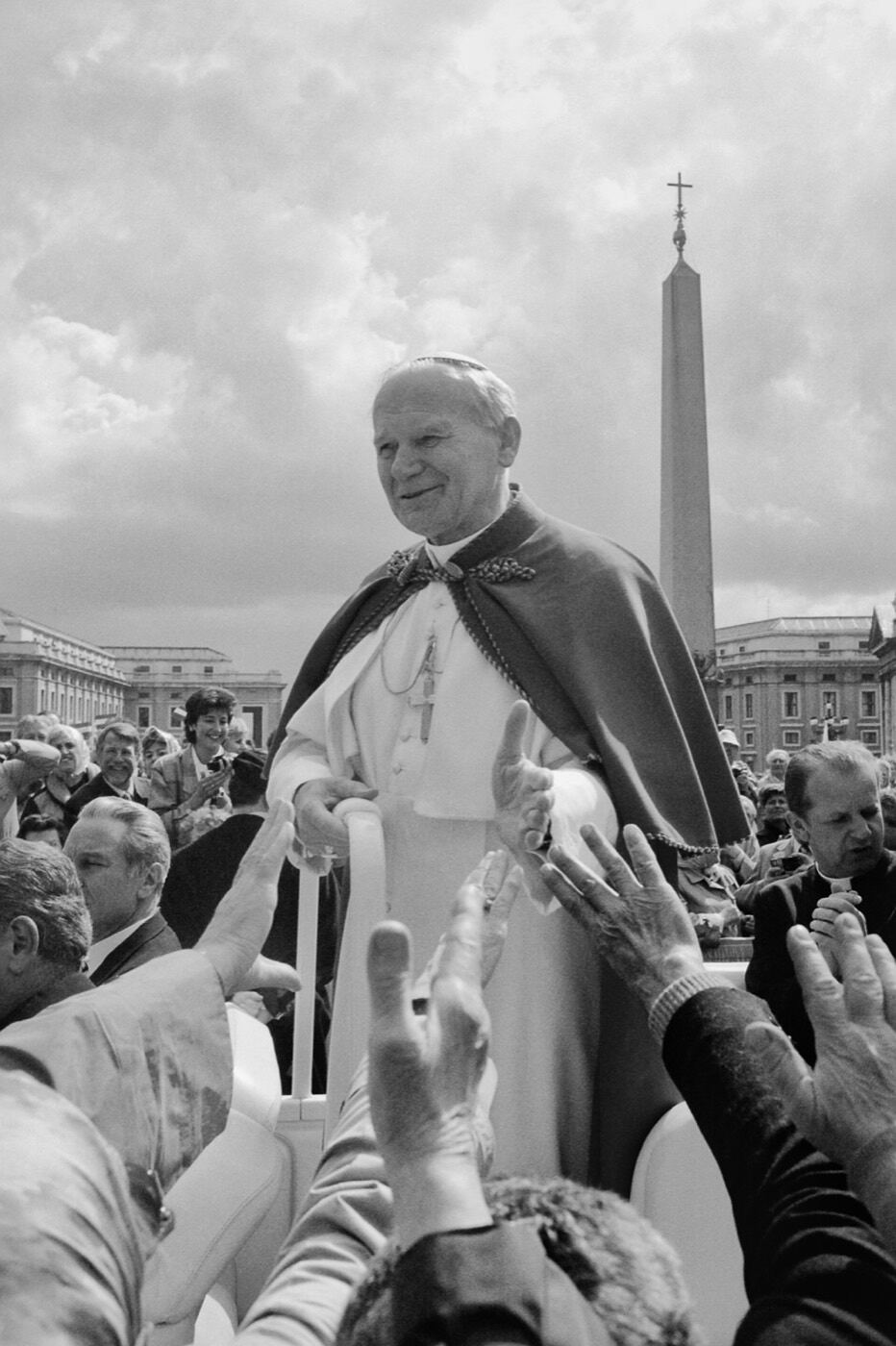
John Paul II in St Peter's SquarePhoto: Rob Oo, CC BY 2.0, via Wikimedia Commons John Paul II entrusted the world to Our Lady on 7 June 1981 and consecrated it at Fatima on 13 May 1982. He renewed the act on 16 October 1983 and consecrated the world again on 25 March 1984 before about 250,000 people in Rome, after writing to the bishops to join him. In 1982 he recalled Pius XII's acts of 1942 and 1952 but did not name Russia. In 1984 he added an unscripted line about "the peoples" awaiting consecration, which still did not name Russia.
The Pope later told Bishop Paul Josef Cordes that naming Russia would have been taken as a provocation by the Soviet leaders. In 1983 Sister Lucy said the 1982 act had not fulfilled the request. Dr. Sungenis reports that she said so several times in the 1980s before letters in 1989 had her saying the reverse, and in his book he calls those letters fraudulent. Cardinal Ratzinger stated in 2000 that the 1984 act fulfilled the request.
Dr. Sungenis's main objection is not about wording. Heaven never asked John Paul II for anything. He argues that if the Pope faulted Pius XII for leaving out Russia or the bishops, the same test fails his own acts.
“would be interpreted as a provocation by the Soviet leaders”
John Paul II in St Peter's SquarePhoto: Rob Oo, CC BY 2.0, via Wikimedia Commons 12 December 1993· Aftermath
Religious freedom in Russia's constitution
Two years after the Soviet Union ends, Russia's new constitution guarantees freedom of religion.
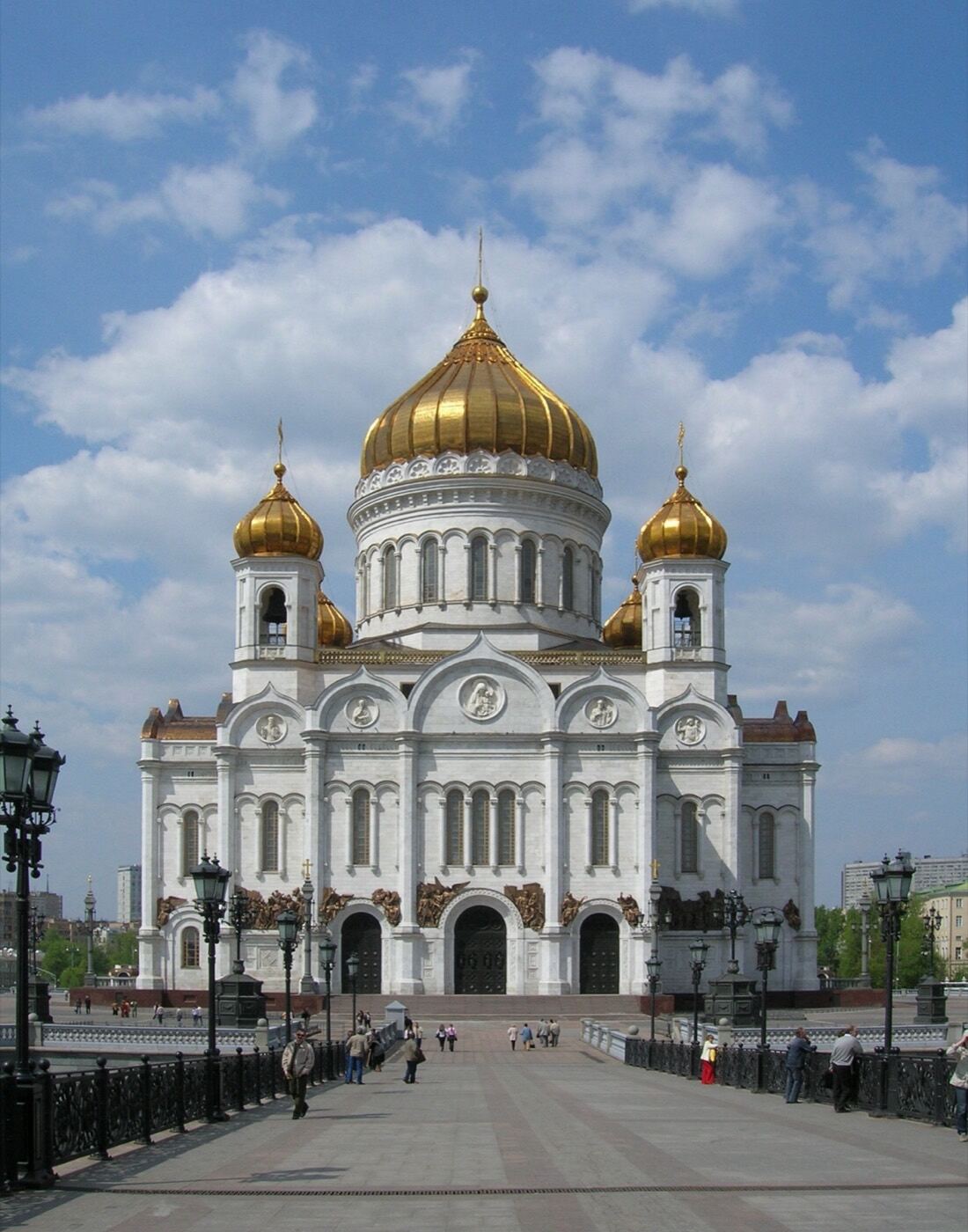
Cathedral of Christ the Saviour, MoscowPhoto: Voytek S, CC BY-SA 2.5, via Wikimedia Commons Dr. Sungenis traces the conversion of Russia as a process over decades, not a single event. Under Khrushchev, from 1958, there was an anti-religious campaign, but he calls it mild next to Lenin's, with no bloodshed and virtually no arrests. In 1985 Gorbachev gave Christians more freedom, and in 1988 he blessed the celebration of a thousand years of Russian Orthodoxy. In 1991 new laws removed the Soviet restrictions on religion, and the Soviet Union itself was dissolved in December 1991. The constitution of 12 December 1993 wrote religious freedom into law.
He sets the peace alongside the conversion: the Cuban crisis of 1962 passing without war, then the 1972 ABM treaty, the 1975 Helsinki accords, the 1987 INF treaty and the Malta summit of December 1989. He adds later evidence: Metropolitan Hilarion's 2013 report of more than 25,000 churches built or restored in 25 years. He defines this conversion as a return to Christian faith, not reunion with Rome. Many Fatima writers do not accept that definition.
“Everyone shall be guaranteed the freedom of conscience, the freedom of religion, including the right to profess individually or together with other any religion or to profess no religion at all, to freely choose, possess and disseminate religious and other views and act according to them.”
Cathedral of Christ the Saviour, MoscowPhoto: Voytek S, CC BY-SA 2.5, via Wikimedia Commons 25 March 2022· Later acts
Francis names Russia and Ukraine
Pope Francis consecrates humanity, "especially Russia and Ukraine", to the Immaculate Heart.
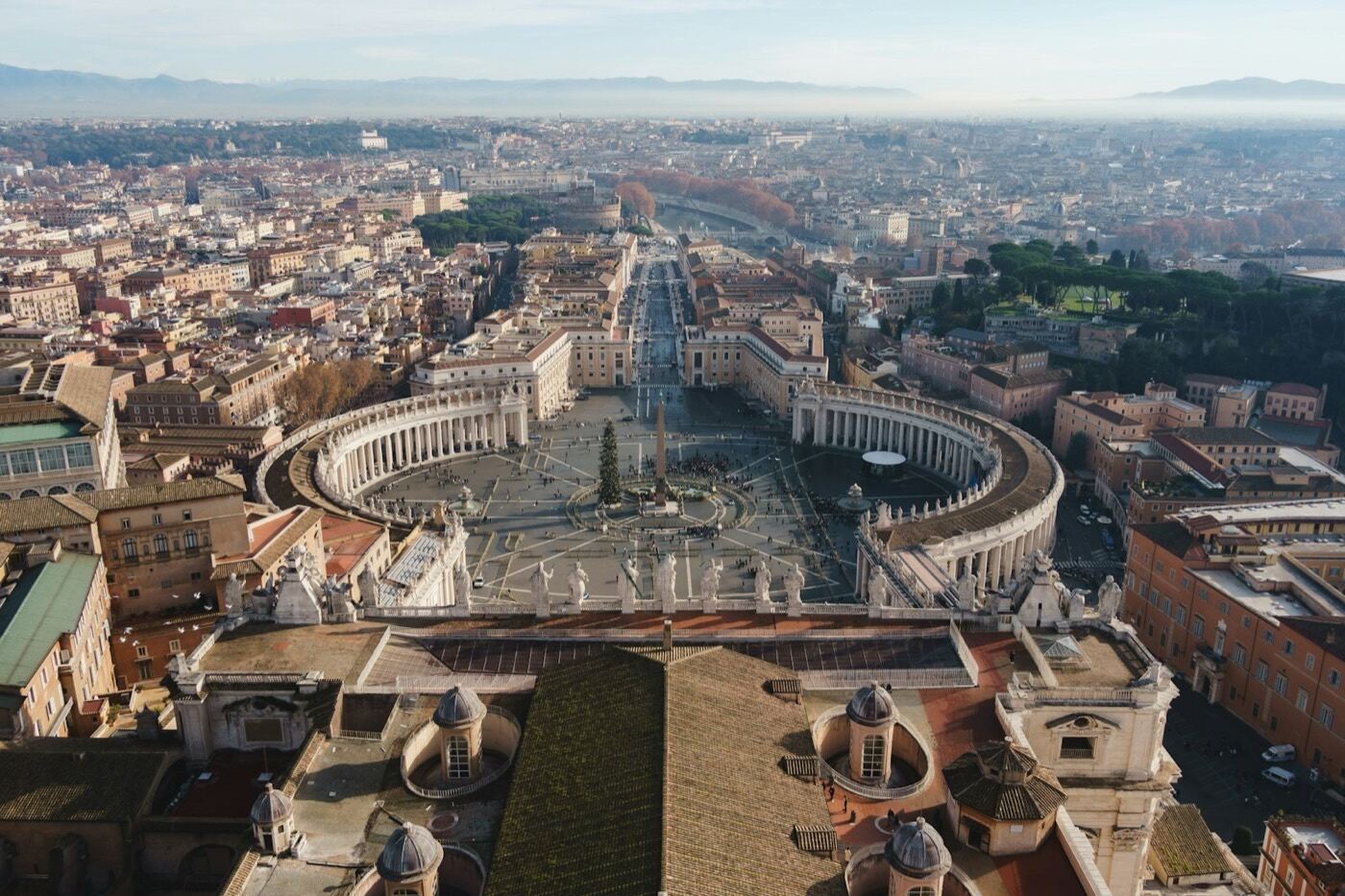
St Peter's Square, RomePhoto: Yilei (Jerry) Bao, Unsplash License A month after Russia invaded Ukraine, Pope Francis, with a few bishops beside him, entrusted and consecrated the Church and all humanity to the Immaculate Heart, "especially Russia and Ukraine". He had already entrusted the world to Our Lady of Fatima in 2013.
Dr. Sungenis gives this act no weight in the Fatima story. On 2 March 2022, asked about a Ukrainian bishop's appeal for a consecration of Russia, he said the consecration had already been done by Pius XII in 1942 and 1952, and that Heaven had answered by changing Russia. He adds that it is not the Pope's prerogative to consecrate Russia without Heaven asking. He says Heaven has not asked since May 1952, so the popes after Pius XII acted on their own.
“So, we have a lot of people here doing consecrations and heaven hasn't asked them to do a consecration.”
St Peter's Square, RomePhoto: Yilei (Jerry) Bao, Unsplash License
Two readings of the same record
Was the request answered in 1952, or is it still waiting?
Dr. Sungenis
Fulfilled, but still foreboding
- Heaven asked two popes, Pius XI in 1929 and Pius XII up to May 1952, and asked no pope after that; later acts were made without any request from Heaven.
- Our Lord answered the 1942 consecration in part: the war ended and a period of peace from Russia began in 1945, while Russia's conversion was put off until "later".
- Pius XII's 7 July 1952 consecration of the peoples of Russia fulfilled Our Lady's prophecy that the Holy Father would consecrate Russia, and Heaven accepted it despite its flaws.
- The conversion of Russia has been unfolding over decades, from the easing of persecution after 1943 to the religious freedom guaranteed in 1993, so no future consecration is waiting to bring in a utopian peace.
Most Fatima writers
Not yet done as asked
- Most traditional Fatima writers hold that a valid consecration must name Russia explicitly and be made by the Pope together with all the bishops of the world, and that no pope has yet done both.
- On that view the promised peace and the conversion of Russia have not come, and will not come until a future pope makes the act correctly; some allow Heaven to accept it as late as 2029.
- Frère Michel, a leading Fatima historian, rejects the 1952 act: it made no allusion to Our Lady's request, did not order the bishops to join, and lacked the needed solemnity.
- Others, including Cardinal Ratzinger in 2000 and the later statements attributed to Sister Lucy, hold that John Paul II's 1984 consecration fulfilled the request.
Every act, against the request
At Tuy the terms were plain: the Pope, with all the bishops, consecrating Russia. Here is how each act measures up.
Dr. Sungenis counts this as a response to the request Our Lord had widened in 1940, to the world with a special mention of Russia. The mention was left out and the bishops were not called, yet Sister Lucy's letter of May 1943 reports that Our Lord would end the war shortly because of it, and put off Russia's conversion because it was incomplete.
Made two months after Our Lady's last request of May 1952. Russia is named. The bishops were not ordered to join; Dr. Sungenis argues that the Pope's "we consecrate" speaks for them, that no bishop objected, and that the 1917 prophecy said only that the Holy Father would consecrate Russia. Most Fatima writers reject the act for the missing bishops.
John Paul II recalled Pius XII's acts of 1942 and 1952 but did not name Russia. Sister Lucy said in 1983 that this act had not fulfilled the request. On Dr. Sungenis's reading Heaven had asked nothing of this pope.
Made before about 250,000 people after the Pope wrote to the bishops to join him. Russia was not named; the Pope told Bishop Paul Josef Cordes that naming it would be read as a provocation by the Soviet leaders. Cardinal Ratzinger stated in 2000 that this act fulfilled the request. Dr. Sungenis replies that Heaven never asked John Paul II, and that the test he applied to Pius XII fails his own acts.
Made a month after Russia invaded Ukraine, with a few bishops beside the Pope. Dr. Sungenis gives it no weight in the Fatima story: the consecration was done by Pius XII in 1942 and 1952, and Heaven has not asked any pope since May 1952.
Pick a row for Dr. Sungenis's reading of that act. A dash means only in part. *On Dr. Sungenis's reading: Heaven asked Pius XI in 1929 and Pius XII until May 1952, and no pope after.
Where this leaves the reader
Dr. Sungenis wrote Fatima: Fulfilled but Still Foreboding against a book he had once defended, and he says he did it to spare readers false hopes. He does not expect a future consecration to bring a golden age. On his reading, the Fatima requests belonged to one period and to two popes, Heaven answered what Pius XII gave, and the "etc." of the Third Secret, which he believes points to a departure from the faith, is still unfolding. Readers who hold the majority view will disagree. What both sides share is the record above: the letters, the dates, and the question of how much Heaven accepts from men who obey only in part.
Fatima: Fulfilled but Still Foreboding
Dr. Sungenis's full case, 2021. In the store.
The Consecration of Russia
The documentation, with John Salza, 2013. The earlier view he later revised.
Photo credits
- The crowd at the Cova da Iria, Fatima, on 13 October 1917: Judah Bento Ruah, 13 October 1917, public domain.
- Lucia, Francisco and Jacinta, 1917: Photo attributed to Joshua Benoliel, public domain, via Wikimedia Commons.
- The Dorothean convent at Tuy, Spain: Photo: CarlosVdeHabsburgo, CC BY-SA 4.0, via Wikimedia Commons.
- Petrograd, July 1917: Photo: Viktor Bulla, public domain, via Wikimedia Commons.
- Sister Lucy as a Dorothean sister: Public domain, via Wikimedia Commons.
- Pope Pius XI: Photo attributed to Giuseppe Felici, public domain, via Wikimedia Commons.
- Pope Pius XII: Public domain, via Wikimedia Commons.
- London, 8 May 1945: Photo: War Office official photographer Major W. G. Horton, public domain, via Wikimedia Commons.
- The Kremlin, Moscow: Photo: Jayde Keroi, Unsplash License.
- The Chapel of the Apparitions, Fatima: Photo: Reis Quarteu, CC BY-SA 4.0, via Wikimedia Commons.
- John Paul II in St Peter's Square: Photo: Rob Oo, CC BY 2.0, via Wikimedia Commons.
- Cathedral of Christ the Saviour, Moscow: Photo: Voytek S, CC BY-SA 2.5, via Wikimedia Commons.
- St Peter's Square, Rome: Photo: Yilei (Jerry) Bao, Unsplash License.
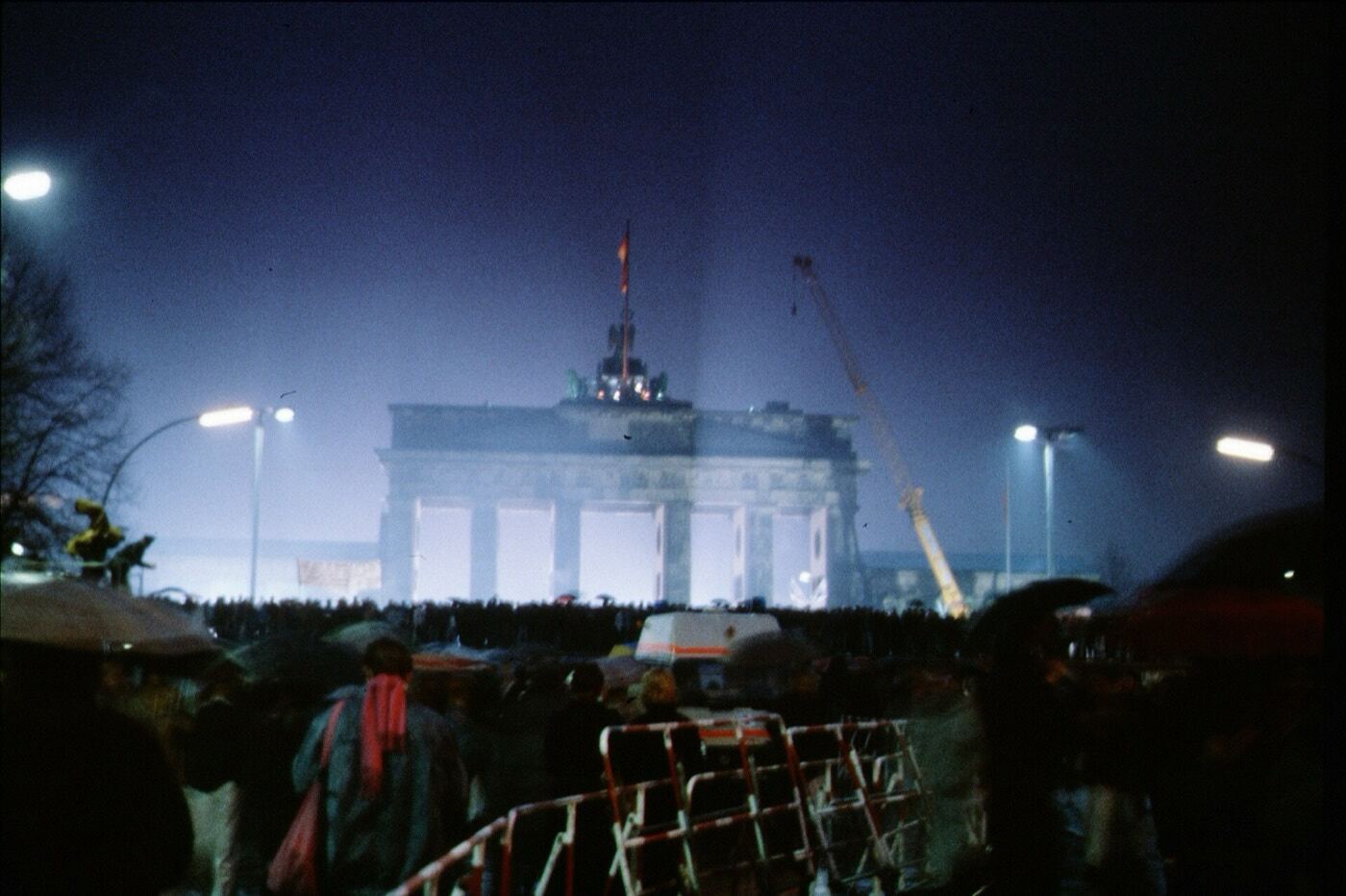
- The Brandenburg Gate, 1989: Photo: Raphael Thiemard, CC BY-SA 2.0, via Wikimedia Commons.